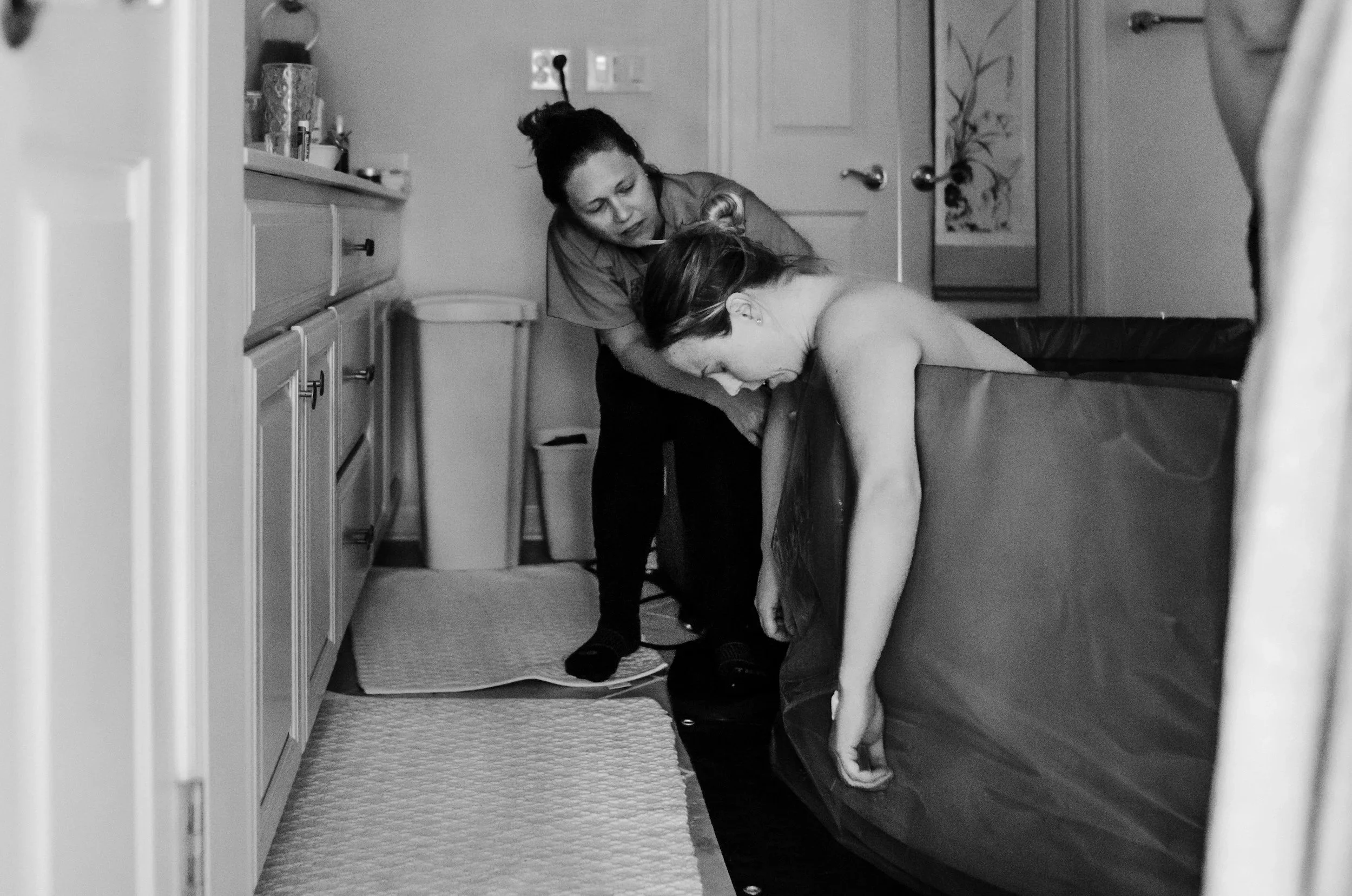
When you see those two pink lines on the pregnancy test, your whole world changes. Life begins to be focused around the little one inside your womb. Nourishing you body, supporting their growth, feeling their kicks and hearing their heartbeat can fully encompass your days. Pregnancy can come with many joys and many challenges, but one thing is certain, when the time comes, that little baby will be birthed into the world.
Birth is a powerful and transformative process. And while every labour unfolds differently, having an understanding of the stages of labour can help you feel more in control, confident, and connected as it brings your baby into the world. This guide offers gentle education for anyone seeking birth preparation, emotional reassurance, or a clearer picture of what to expect. So, let’s start at the beginning…
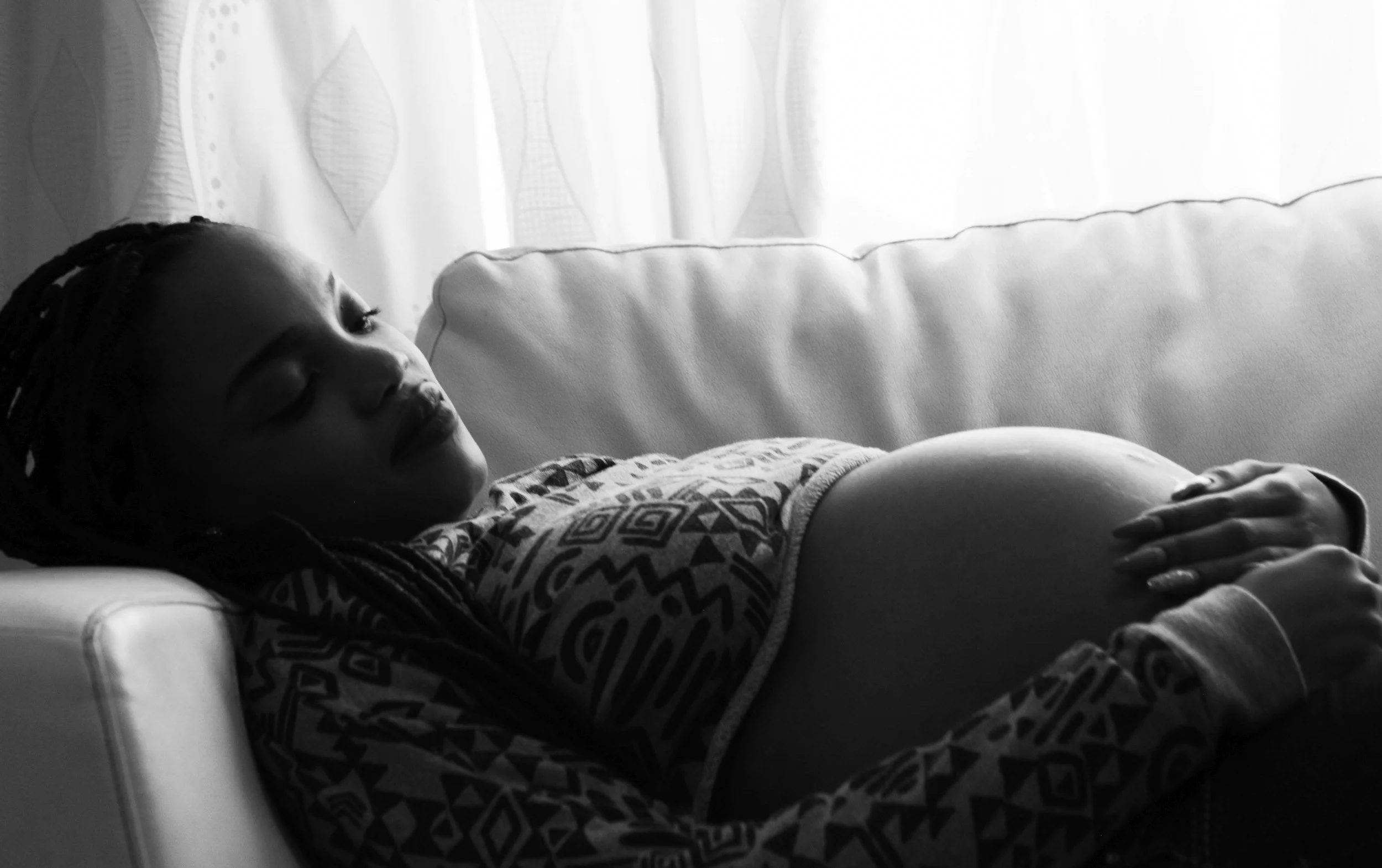
First Stage of Labour
Early Labour
Early labour is often the longest part of the entire journey. It may last hours, days, or even weeks as your cervix softens, thins, and opens to around 4 cm.
You may notice:
Mild, irregular contractions
Contractions that stop and start
Emotional shifts—excitement, impatience, uncertainty
✨ What supports early labour:
Rest, nourishment, hydration, gentle stretching, and pelvic rocking can all help ease early labour symptoms and save energy for later.

Active Labour
Active labour is when things start to intensify. Your cervix continues dilating from 4 to 8 cm, and contractions become longer, stronger, and more regular—usually every 3–4 minutes.
Common experiences:
Increasing intensity
Baby descending deeper into your pelvis
✨ Comfort tools for active labour:
Warm showers or baths, heat packs, position changes, breathwork, rocking, movement, and TENS machine use can support pain management during this stage.

Transition
Transition is often described as the most intense part of childbirth. Your cervix opens from 8 to 10 cm, contractions may last up to 90 seconds, and sensations are powerful.
You may feel:
Shaking in your legs
Nausea
Pressure in your back or bottom
Panic, overwhelm, or the classic “I can’t do this”
These feelings are normal and often signal that you’re nearing the moment you’ll meet your baby.
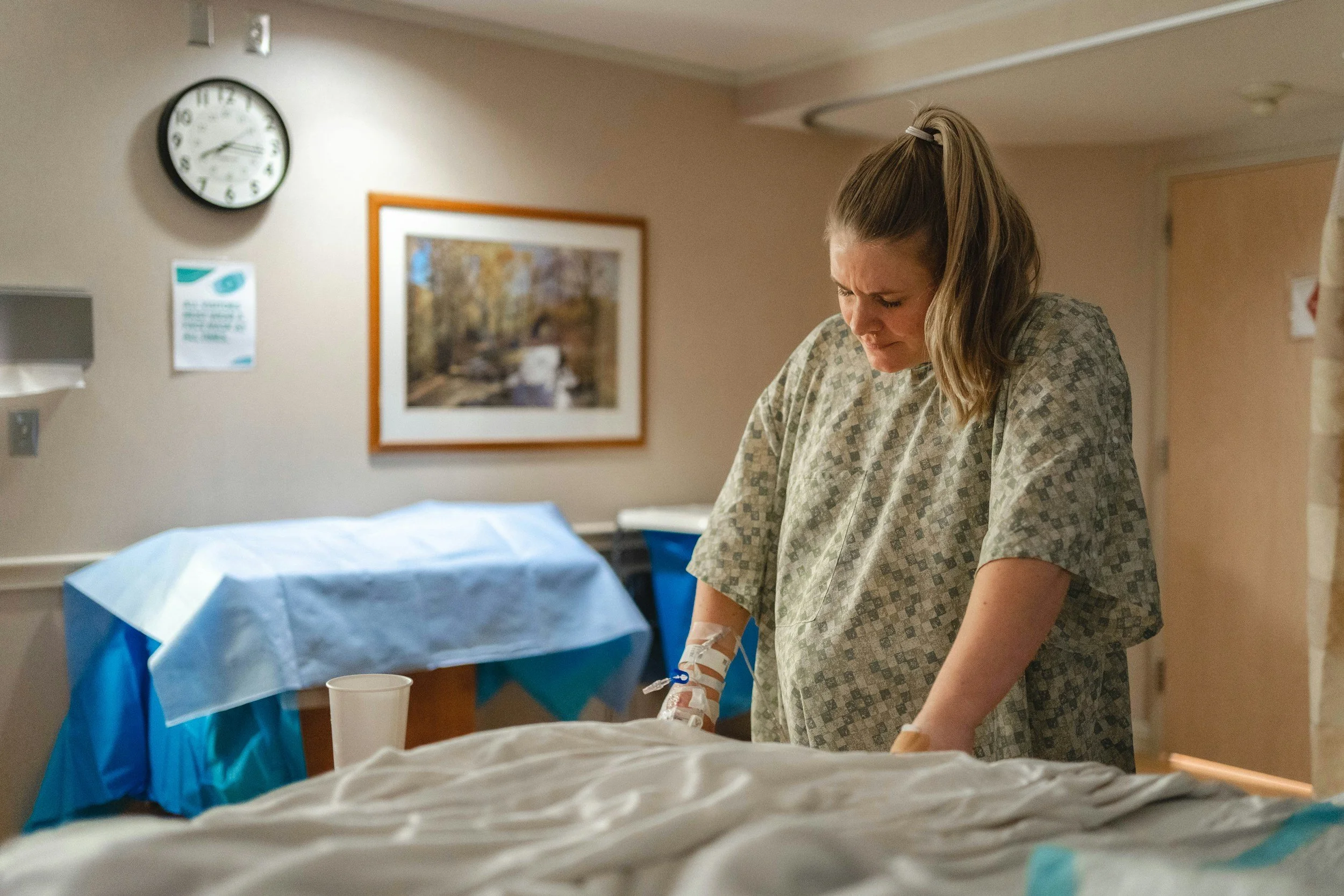
Second Stage of Labour
Birthing Your Baby
Once you are fully dilated, the second stage begins. This stage ends when your baby is born. It includes two phases:
Passive phase – Your body rests with little urge to push
Active phase – The instinct to push naturally emerges
During crowning, you may feel stretching or burning sensations. This stage can last up to a couple of hours.
✨ Supportive positions for pushing:
Upright positions—such as kneeling, squatting, or leaning forward—allow gravity to help. Panting through crowning can also help protect the perineum and reduce tearing.
Third Stage of Labour
Birthing the Placenta
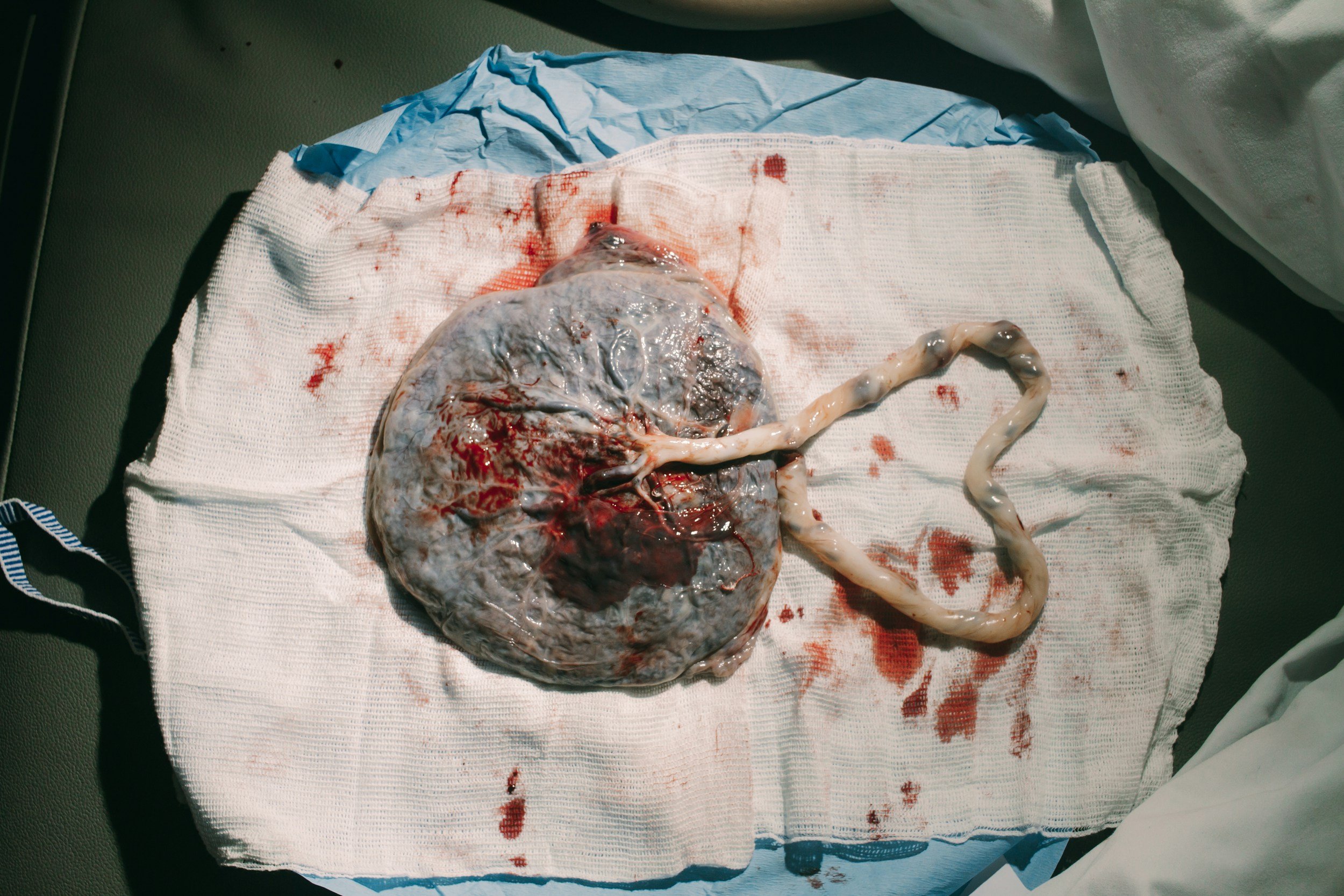
After your baby is born, the focus shifts to the birth of the placenta. Contractions continue, but they’re generally milder.
Two approaches include:
Physiological (natural) third stage – No intervention; placenta is usually birthed within an hour
Active management – A synthetic oxytocin injection helps the placenta detach more quickly, usually within 5–30 minutes
This stage often unfolds while you’re absorbed in meeting your baby for the first time.
Fourth Stage of Labour
The Golden Hour
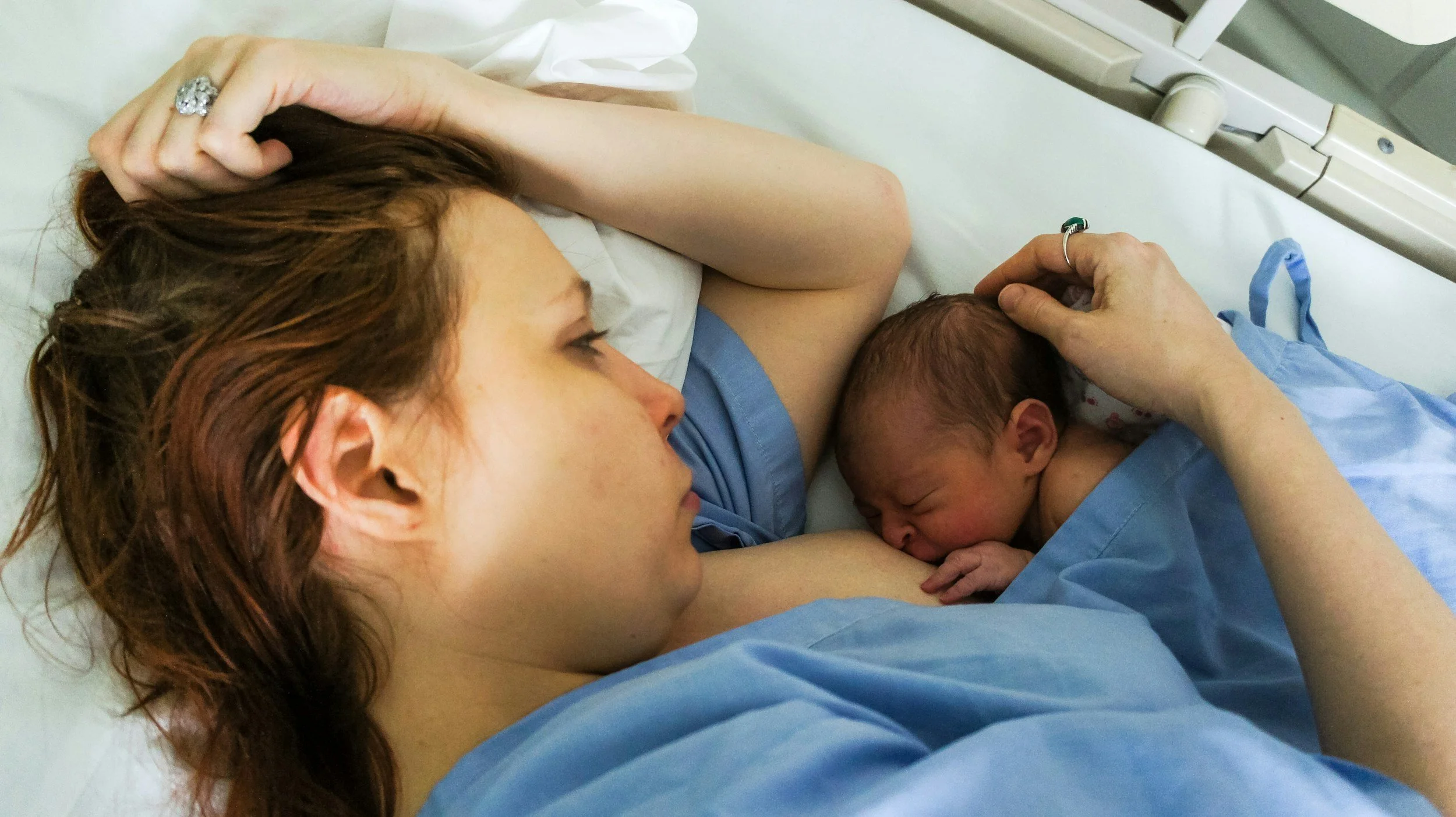
The golden hour—the first hour after birth—is a deeply important time for bonding. Your baby is usually placed skin-to-skin on your stomach or chest, helping regulate their temperature and breathing. Many newborns begin the instinctive breast crawl or latch for their first breastfeed.
Benefits of the golden hour include:
Enhanced bonding
Reduced maternal stress
Improved breastfeeding success
Regulation of baby’s nervous system
This is a moment to rest, breathe, and honour the incredible work your body has done.
Understanding the stages of labour helps to bring clarity to an experience that is often filled with unknowns. While every birth unfolds in its own unique rhythm, having insight into what your body is going through at each phase can help you feel more connected, informed, and in control as the process unfolds.
Labour is not just a physical journey, but an emotional and transformative one. From the slow build of early labour to the intensity of transition, from the power of pushing to the tenderness of the golden hour, each stage carries its own purpose and wisdom.
No matter how your birth story takes shape, trust that your body is working with you and that each sensation is part of a greater unfolding. With knowledge, understanding, and compassion—for yourself and for the process—you can move through labour feeling more empowered and prepared for the moment you finally meet your baby.
If you’d like personalised childbirth education, emotional support, or compassionate guidance through pregnancy, labour, birth, or postpartum, I’m here to walk alongside you.