Understanding the Negative Feelings of Motherhood — and How EFT Helps You work Through Them
You know those feelings you’ve been pretending you aren’t feeling since becoming a mother? The ones that make you second guess yourself and the type of mother you are? Those that you think no other mother is feeling? Those other mothers are hiding too.

Guilt
When you're feeling guilty that your touched out, needing time alone, not enjoying every moment, or not being grateful enough to be a mama.

Rage
When everything keeps stacking up, when you're angry, annoyed, frustrated, when it all just feels too much, It’s all on your shoulders all at once.

Sadness
For the way things were, for the way things are, for missing your old life, for missing milestones, for time passing too quickly.

Resentment
Struggling with being everything to everyone, holding down the fort, maintaining the mental load for the whole family, giving, giving, giving.

Frustration
When the housework piles up, when a simple task takes 3 hours to finish, when you have to wake the baby for school pick up, when the to-do list never ends

Lonliness
When you feel trapped in the house with the baby, like no one understands what you're going through, when it seems everyone is having fun but you, and no one “gets it”

Shame
Of feeling anger or negativity, of not being the “perfect parent”, of enjoying time alone instead of with you kids, of working, or of not working and staying home.

Motherhood is a lot! And you are doing a great job navigating the spectrum of feelings that pop up while you are in the trenches. As mothers, there is a lot put on us, and it can feel overwhelming to hold it all.
You are not alone with this. Acknowledgment, understanding, and compassion can help, as can gentle tools like EFT tapping to help you through.

How Emotional freedom Technique can help
Emotional Freedom Technique can help release trapped negative emotions, re-pattern subconscious beliefs, build confidence and self trust, and create space for these feelings to be felt safely, using a simple holistic client-centred approach. It allows space for you to acknowledge the feelings that are coming up for you, and work through them, creating a gentle release and more clarity and calm. Honouring these feelings that aren’t so nice to feel is a way to honour your whole self as a mother.
We can feel so bombarded and under pressure from this motherhood role that we can hold these feelings in our body without realising it. With EFT, you feel these negative feelings - yes, actually feel them (it’s good, I promise), and the gentle tapping motions helps to release them. You leave a session feeling calmer, lighter, and more in control.
Want to experience what it feels like to let go of these heavy feelings? Book an EFT appointment here
Pregnant and finding navigating these feelings a challenge? Join an EFT Pregnancy Circle locally of online here

What to Gift a New Mum: 10 Thoughtful Postpartum Gift Ideas She’ll Truly Appreciate

If you’re searching for the best gifts for a new mum, it can be tempting to reach for the adorable baby items — tiny outfits, sweet blankets, cute toys. But while these are lovely, the most meaningful gifts are often the ones that support the mother during her postpartum recovery.
The early weeks after birth can be overwhelming, emotional, and deeply transformative. Thoughtful postpartum gifts help a new mum feel nourished, supported, and genuinely seen.
Here are 10 supportive and practical gift ideas for new mums that go far beyond the usual presents — and truly make a difference.
1. Nourishing Meal Delivery
One of the most appreciated postpartum gifts is a healthy meal delivery service. Nourishing food supports healing, energy levels, and emotional wellbeing — and it saves her from having to cook when she’s exhausted.

2. Audiobook or Streaming Subscription
Long feeding or contact‑napping sessions can feel isolating. An audiobook membership or streaming subscription offers comfort, entertainment, and often a sense of connection during quiet hours.

3. Massage, Postnatal Osteo, or Physio Voucher
Birth is a major physical event, and the postpartum body deserves care. A postnatal massage, osteopathy session, or physio appointment can support recovery, relieve tension, and help her reconnect with her body.

4. A Postpartum Care Kit
A personalised postpartum recovery kit shows deep care. You can include:
Perineal spray
Sitz bath herbs
Reusable postpartum pads
Nipple balm
Cooling gel packs
Practical, comforting, and perfect for healing.

5. A Large Water Bottle + One‑Handed Snacks
Hydration plays a huge role in postpartum recovery and breastfeeding. A high‑quality, easy‑to‑open water bottle is a super simple yet thoughtful gift.
Add one‑handed snacks for feeding sessions inside— bliss balls, nuts, oat bars, crackers — and it becomes even more useful and wholesome

6. Grocery Delivery Gift Card
When you’re caring for a newborn, even a quick trip to the shops can feel impossible. A grocery delivery voucher saves time, reduces stress, and helps keep the household running smoothly.

7. Breastfeeding Essentials
If she’s breastfeeding, small items can make a big difference. Consider gifting:
Reusable nursing pads
Lactation tea
A hands‑free pumping bra
A breastfeeding pillow
It’s thoughtful and genuinely useful.

8. Nappy / Diaper Delivery Service
A nappy subscription is one of the most practical gifts you can offer. It removes a big task from her mental load and ensures she never runs out during those long, sleepless nights.

9. House Cleaning Voucher
This is one of the most loved gifts among new mothers. A cleaning service voucher provides relief, calm, and a tidy space — something that supports both mental wellbeing and household harmony.

10. Postpartum Doula Support
Postpartum doula support is one of the most nurturing gifts a new mum can receive. A postpartum doula provides emotional support, practical help, and gentle guidance through the fourth trimester — a time when women often need care the most.
Want to gift this kind of support?
I offer postpartum doula support vouchers for those wanting to gift meaningful, mother‑centred care.
If you’re local, you can purchase a voucher for in‑person postpartum support.
If you’re not nearby, I can also create online postpartum support vouchers for emotional support and personalised care from afar.
Simply reach out if you'd like to gift a new mum something truly transformative.

The Best Gift for a New Mum Is Support
While baby gifts are sweet, the most powerful present you can offer a new mother is the message:
“I see you. You matter. I want to support you.”
Tell me what was the best gift you got after having a baby in the comments.
With love,
Emily
Understanding the Stages of Labour: What Really Happens in Each Phase
When you see those two pink lines on the pregnancy test, your whole world changes. Life begins to be focused around the little one inside your womb. Nourishing you body, supporting their growth, feeling their kicks and hearing their heartbeat can fully encompass your days. Pregnancy can come with many joys and many challenges, but one thing is certain, when the time comes, that little baby will be birthed into the world.
Birth is a powerful and transformative process. And while every labour unfolds differently, having an understanding of the stages of labour can help you feel more in control, confident, and connected as it brings your baby into the world. This guide offers gentle education for anyone seeking birth preparation, emotional reassurance, or a clearer picture of what to expect. So, let’s start at the beginning…

First Stage of Labour
Early Labour
Early labour is often the longest part of the entire journey. It may last hours, days, or even weeks as your cervix softens, thins, and opens to around 4 cm.
You may notice:
Mild, irregular contractions
Contractions that stop and start
Emotional shifts—excitement, impatience, uncertainty
✨ What supports early labour:
Rest, nourishment, hydration, gentle stretching, and pelvic rocking can all help ease early labour symptoms and save energy for later.

Active Labour
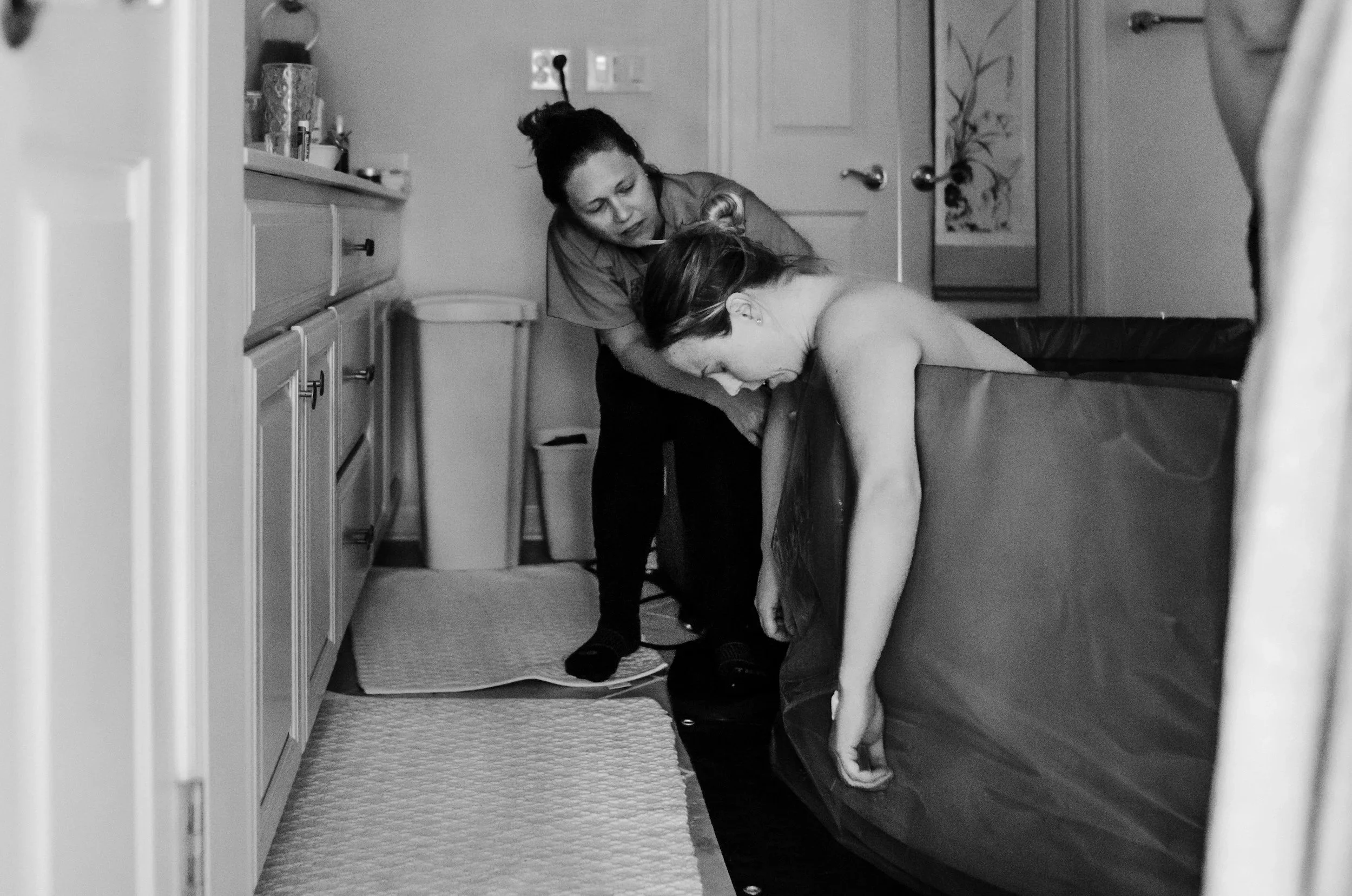
Active labour is when things start to intensify. Your cervix continues dilating from 4 to 8 cm, and contractions become longer, stronger, and more regular—usually every 3–4 minutes.
Common experiences:
Increasing intensity
Baby descending deeper into your pelvis
✨ Comfort tools for active labour:
Warm showers or baths, heat packs, position changes, breathwork, rocking, movement, and TENS machine use can support pain management during this stage.

Transition
Transition is often described as the most intense part of childbirth. Your cervix opens from 8 to 10 cm, contractions may last up to 90 seconds, and sensations are powerful.
You may feel:
Shaking in your legs
Nausea
Pressure in your back or bottom
Panic, overwhelm, or the classic “I can’t do this”
These feelings are normal and often signal that you’re nearing the moment you’ll meet your baby.
Second Stage of Labour
Birthing Your Baby
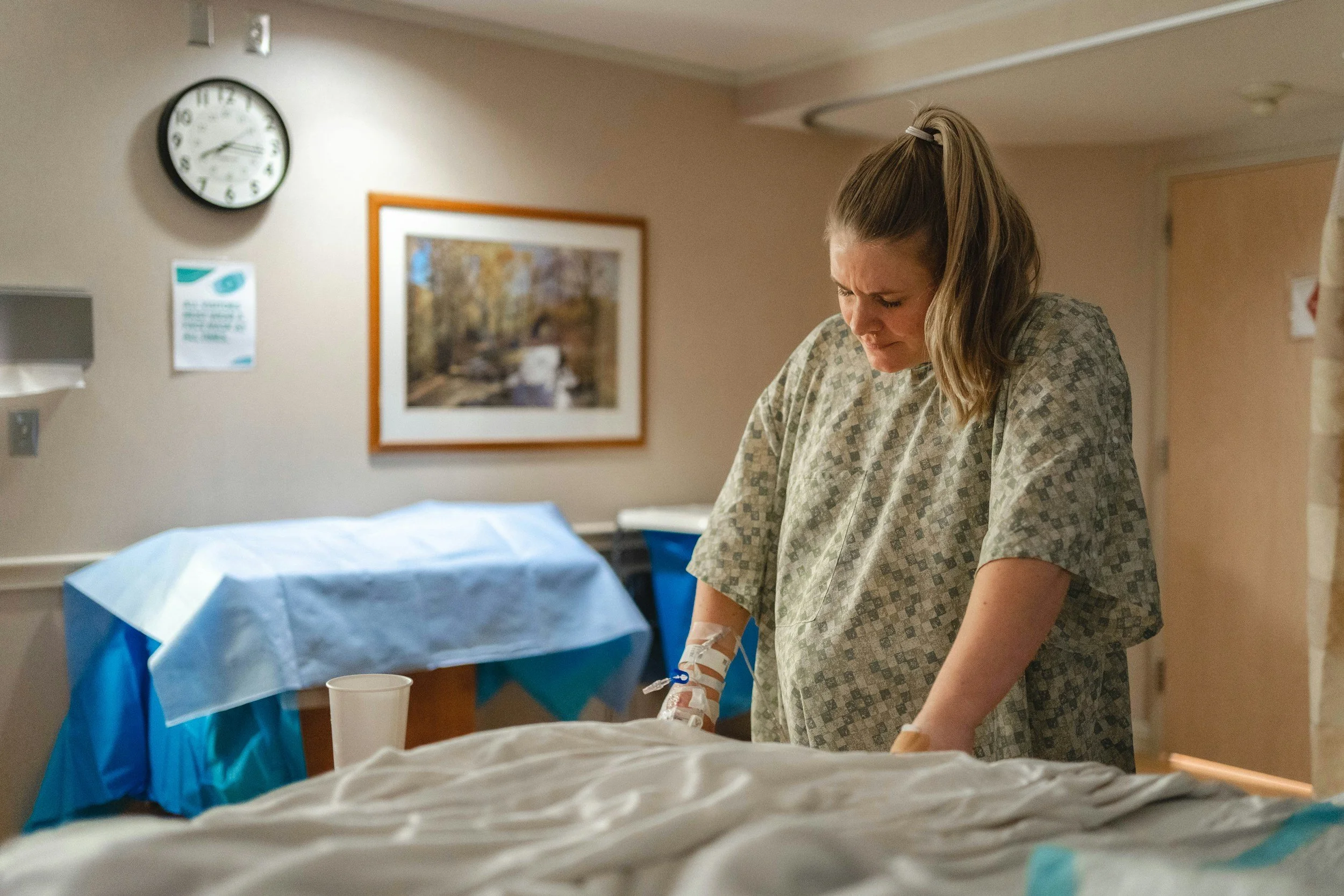
Once you are fully dilated, the second stage begins. This stage ends when your baby is born. It includes two phases:
Passive phase – Your body rests with little urge to push
Active phase – The instinct to push naturally emerges
During crowning, you may feel stretching or burning sensations. This stage can last up to a couple of hours.
✨ Supportive positions for pushing:
Upright positions—such as kneeling, squatting, or leaning forward—allow gravity to help. Panting through crowning can also help protect the perineum and reduce tearing.

Third Stage of Labour
Birthing the Placenta
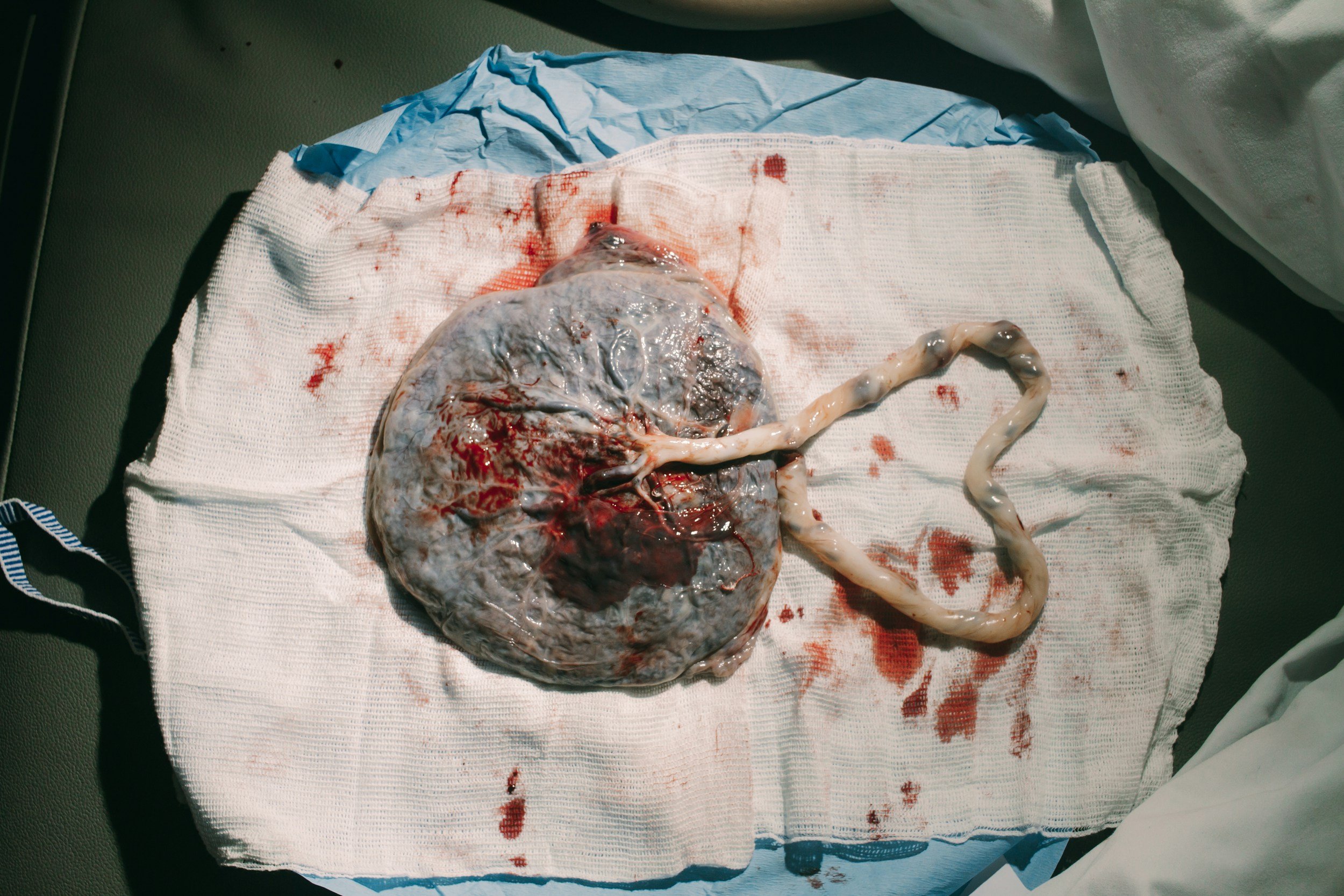
After your baby is born, the focus shifts to the birth of the placenta. Contractions continue, but they’re generally milder.
Two approaches include:
Physiological (natural) third stage – No intervention; placenta is usually birthed within an hour
Active management – A synthetic oxytocin injection helps the placenta detach more quickly, usually within 5–30 minutes
This stage often unfolds while you’re absorbed in meeting your baby for the first time.
Fourth Stage of Labour
The Golden Hour
The golden hour—the first hour after birth—is a deeply important time for bonding. Your baby is usually placed skin-to-skin on your stomach or chest, helping regulate their temperature and breathing. Many newborns begin the instinctive breast crawl or latch for their first breastfeed.
Benefits of the golden hour include:
Enhanced bonding
Reduced maternal stress
Improved breastfeeding success
Regulation of baby’s nervous system
This is a moment to rest, breathe, and honour the incredible work your body has done.

Understanding the stages of labour helps to bring clarity to an experience that is often filled with unknowns. While every birth unfolds in its own unique rhythm, having insight into what your body is going through at each phase can help you feel more connected, informed, and in control as the process unfolds.
Labour is not just a physical journey, but an emotional and transformative one. From the slow build of early labour to the intensity of transition, from the power of pushing to the tenderness of the golden hour, each stage carries its own purpose and wisdom.
No matter how your birth story takes shape, trust that your body is working with you and that each sensation is part of a greater unfolding. With knowledge, understanding, and compassion—for yourself and for the process—you can move through labour feeling more empowered and prepared for the moment you finally meet your baby.
If you’d like personalised childbirth education, emotional support, or compassionate guidance through pregnancy, labour, birth, or postpartum, I’m here to walk alongside you.

Calming Evening Rituals for Pregnancy: Reduce Stress and Sleep Better

I know we all thought that pregnancy would be full of soft, tender moments—baby kicks and gently growing bellies—but the reality is often quite different. Pregnancy can come packed with to-do lists, restrictions on what not to eat, financial or medical stressors, and general worries about birth and postpartum. And often, you need to process all this while still working full-time and/or raising other children.
There is a lot to take in during these nine months, and the stress can often leave you feeling overwhelmed, impacting your sleep, mood, or mindset. But it doesn’t have to be that way. There are many things you can do to alleviate or reduce these feelings of stress and overwhelm. Creating an evening routine of small, simple rituals can help relieve and tame these feelings, leaving you calmer and more grounded before sleep.
Here are six soothing ideas to try:

gentle Breathing for pregnancy relaxation
I know it may not seem like much, but focused breathing can help calm your nervous system, promote emotional balance, and ease anxiety, leaving you feeling more relaxed and serene before bed.
How to Practice: Place your hand on your belly and inhale, counting to four. As you exhale, breathe out for the count of six. Repeat until you feel relaxed, centered, and more peaceful.

Herbal Tea Pause
A comforting cup of tea—particularly a calming blend that is safe for pregnancy, such as chamomile—can promote sleepiness and relaxation while also being soothing and hydrating.
Tip: try to do this ritual at least an hour before bed to prevent frequent trips to the bathroom.
How to Practice: Brew a pot of loose-leaf tea in a teapot, or use a tea bag in a cup. Steep for a few minutes before slowly and mindfully sipping. Try to focus on staying present and experiencing every sensation—the warmth as it fills your stomach, the taste as you take a sip, the steam rising from the cup.

Journal your thoughts
Journaling can support the processing of emotions, which may ease the constant stream of thoughts and must-dos that swirl in our minds, particularly as we start to unwind or drift off at night. Writing in a pregnancy journal, or a letter to your baby each night can increase bonding and is a lovely way to document your pregnancy.
How to Practice: This ritual is highly individual. You may like to start with a brain dump of all the thoughts running around in your head, jotting them down as they come to mind. Or you might find recounting how your day played out calming. Starting with the goal to just fill one page is often enough to produce the calming effects.

EFT Tapping (Emotional Freedom Technique)
Emotional Freedom Technique is a simple process that combines cognitive therapy principles with tapping on acupressure points on the body to release negative feelings and anxiety, ease trapped emotions, and promote feelings of calm while relieving uneasiness and pressing stress.
How to Practice: EFT involves gently tapping on the top of the head, eyebrow, side of eye, under eye, under nose, chin, collarbone, and underarm points while thinking of the unpleasant feelings and saying something like, “Even though I feel these feelings, I completely love and accept myself” as you pass through the points. Repeat until you feel calm and centered.
If you would like to book an EFT tapping session with me you can click here
Prenatal Yoga
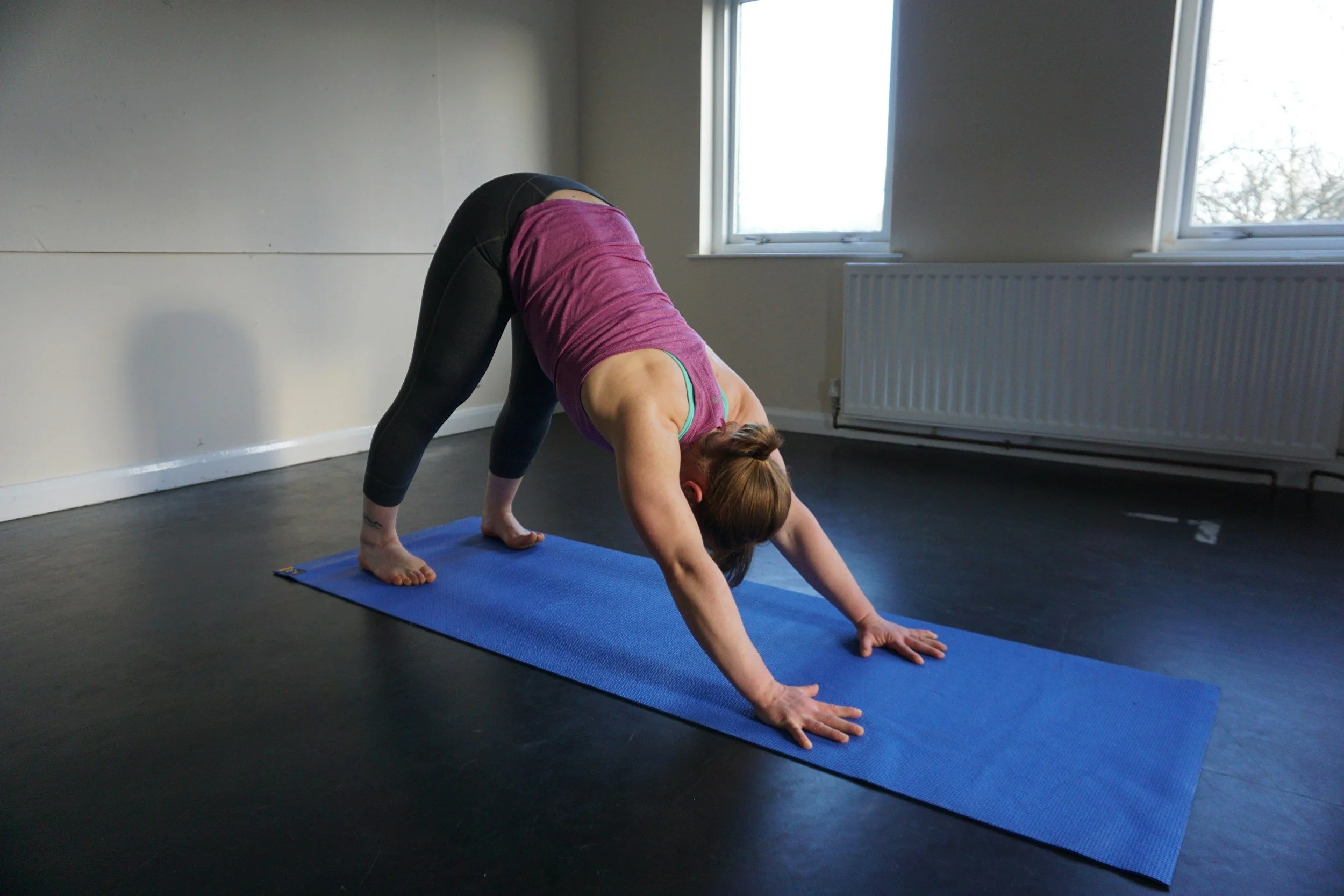
It is well known that yoga can relieve tension and promote calmness in the body, as well as increase circulation, reduce pregnancy discomforts, improve flexibility and movement, and promote sleep.
How to Practice: Look up a gentle prenatal yoga video on YouTube, or find a local prenatal evening yoga class. Listening to calming music as you move through the poses may enhance your sense of calm.

Relaxing wind-down bath
Who doesn’t love a warm, relaxing bath to help soothe aching, tired muscles and prepare for sleep? It’s an easy way to promote calm with the bonus of getting clean at the same time.
How to Practice: Light some candles or dim the lights, add a pregnancy-safe calming essential oil in a carrier oil to the bath water, along with some Epsom salts or sea salt. Soak and enjoy.

Final Thoughts
These simple yet deeply relaxing and calming rituals don’t have to take up a lot of time, but they can set you up for a peaceful night and may help relieve stress and ease tensions that can pop up during pregnancy.
Feeling Stressed During Pregnancy? Here’s How to Reset Your Nervous System
Pregnancy can feel overwhelming at times, especially when your nervous system is working overtime. In this gentle guide, you’ll learn three simple, pregnancy-safe techniques—deep belly breathing, EFT tapping, and mindfulness—to help calm your body, ease anxiety, and support emotional well-being. Whether you’re feeling stressed, unsettled, or simply craving more ease in your day, these tools can help you feel more grounded and connected throughout your pregnancy journey.
Pregnancy is a beautiful journey, but it can also feel overwhelming. Your nervous system works hard to keep you balanced, and when stress builds up, it can impact both your mental and physical well-being. The good news? There are simple, pregnancy-safe techniques you can use to calm your body and mind.

Why Nervous System Support Matters
During pregnancy, hormonal changes and life adjustments can increase stress and anxiety. Supporting your nervous system helps reduce these effects, improving mood, sleep, and overall resilience. These benefits don’t stop at birth—they can also lower the risk of postpartum anxiety and depression.
3 Powerful Nervous System Resets for Pregnancy

1. Deep Belly Breathing
Slow, intentional breathing activates your parasympathetic nervous system—the ‘rest and digest’ mode. This helps lower stress hormones and improves oxygen flow for both you and your baby.
How to try it: Sit comfortably, place one hand on your belly, and inhale deeply through your nose. Feel your belly rise, then exhale slowly. Repeat for a few minutes.

2. EFT Tapping
Emotional Freedom Technique (EFT) combines gentle tapping on acupressure points with calming affirmations. This method can quickly interrupt heightened nervous system activity, reducing anxiety and creating a sense of calm in minutes.
Why it works: Tapping sends soothing signals to the brain, helping break the cycle of stress and overthinking.
Want to feel calmer and more in control during pregnancy? Book an EFT session with me to work through anxiety, emotional overwhelm, or current life stresses. Together, we’ll use EFT to help you feel grounded, supported, and at ease during this important time. Click here to book your session.

3. Mindfulness
Taking a few moments to pause and connect with your body helps you stay present and grounded. Mindfulness practices during pregnancy have been shown to improve mood, reduce anxiety, and even support better sleep.
Simple start: Close your eyes, place your hands on your belly, and notice your breath for 1–2 minutes.

Top Apps for Guided Breathing and Mindfulness
• Calm – Beautiful guided breathing and meditations for stress relief.
• Headspace – Easy-to-follow breathing exercises and mindfulness tools.
• Insight Timer – Free library of breathwork and calming practices.

When to Seek Professional Help
If stress or anxiety feels overwhelming, reaching out for support is a sign of strength. These organizations are here to help:
• PANDA (Perinatal Anxiety & Depression Australia)
Helpline: 1300 726 306
• Gidget Foundation Australia
Phone: 1300 851 758
• Beyond Blue
Helpline: 1300 22 4636
• Lifeline
Helpline: 13 11 14
Want personalized support?
Book an EFT Tapping session to work through pregnancy anxiety and stress, or schedule an antenatal appointment for holistic care and guidance. Click here to book your session.